Studios that stay on air from the first rehearsal to the last

Six areas of studio work, planned as one system
sparkage covers the technical side of a live studio: gallery equipment, cameras, room acoustics, lighting, show workflow and support during broadcasts. Each area is specified with the others in mind, so vision, sound and light are designed together rather than bolted on one after another.
Studio Equipment Integration
We specify, wire and test vision mixers, routing, monitoring and intercom so the whole gallery works as one system.
Camera Systems and Operation
Camera selection, robotic and pedestal setups, and operator guidance for steady, dynamic live shots.
Studio Acoustic Treatment
Measurement and treatment of studio rooms so presenters and guests are heard clearly on air.
Lighting Design and Rigging
LED lighting plans, grid rigging and dimmer control for flattering, consistent light on set.
Live Show Workflow Planning
Run sheets, rehearsal schedules and fallback procedures for news, interview and live entertainment broadcasts.
Technical Support and Training
On-site support during broadcasts and practical training for in-house crews.
Tell us what the studio must produce and what already exists. We will confirm in writing which services apply and what each one includes before any work starts.
ServicesThe equipment and rooms we work with every day
Live studios are built from racks, cables, glass, light and treated walls. These scenes show the materials and steps behind a gallery that works as one system and a set that looks consistent on air.

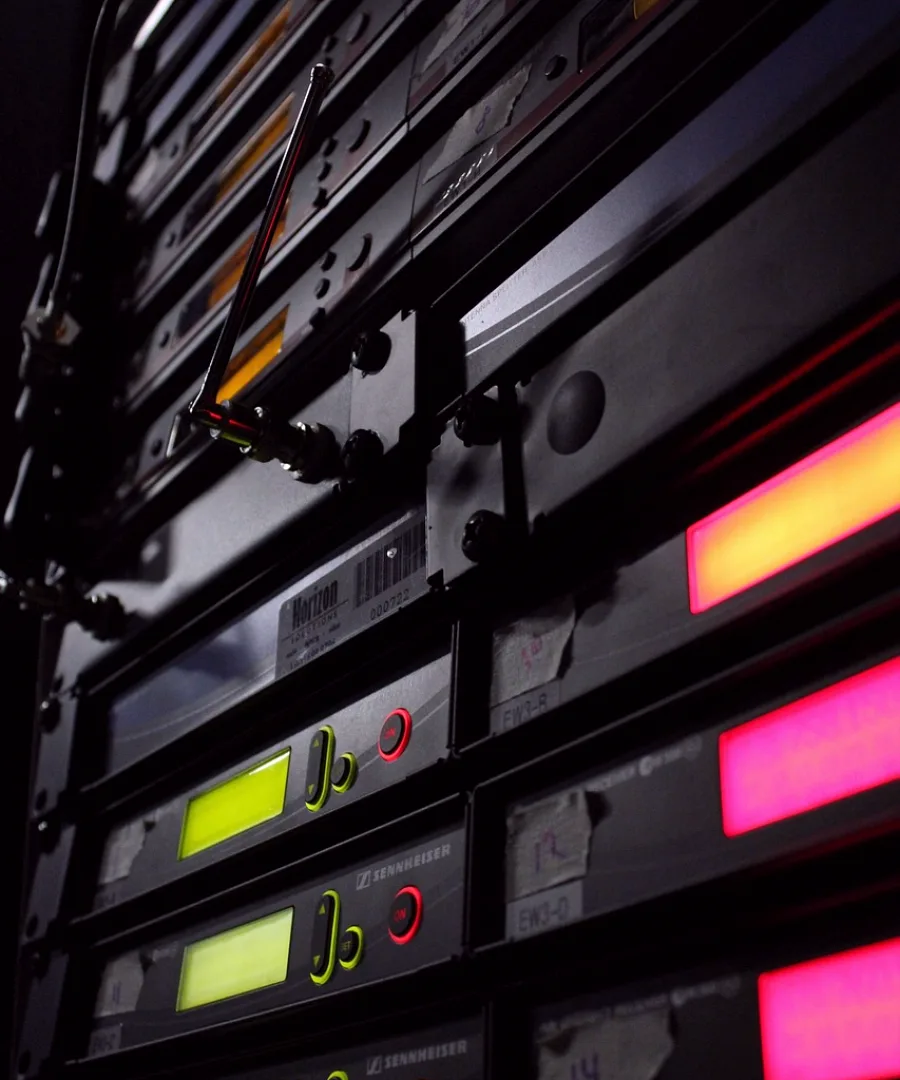
Vision mixer and gallery monitoring
We specify, wire and label the control room so the director, sound and graphics positions see the same signals. Every route is tested before the first rehearsal takes place.

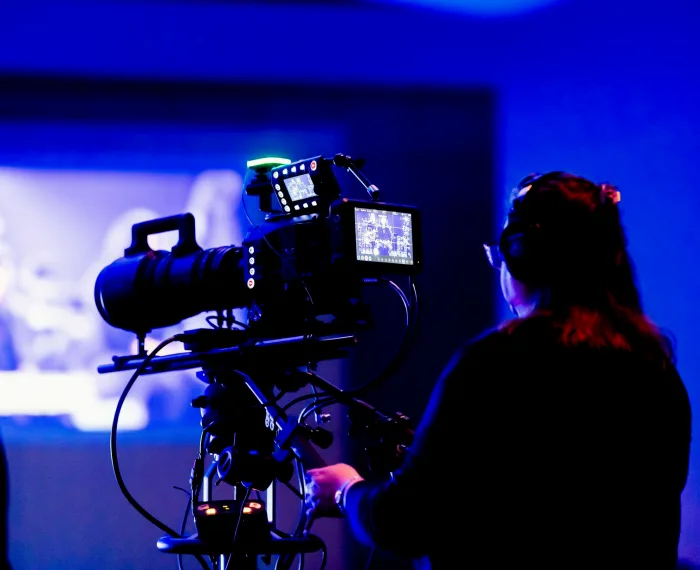
Camera on a studio pedestal
Pedestal and robotic cameras are chosen for the size of the set and the style of programme, with operator guidance aimed at steady framing and smooth live moves.
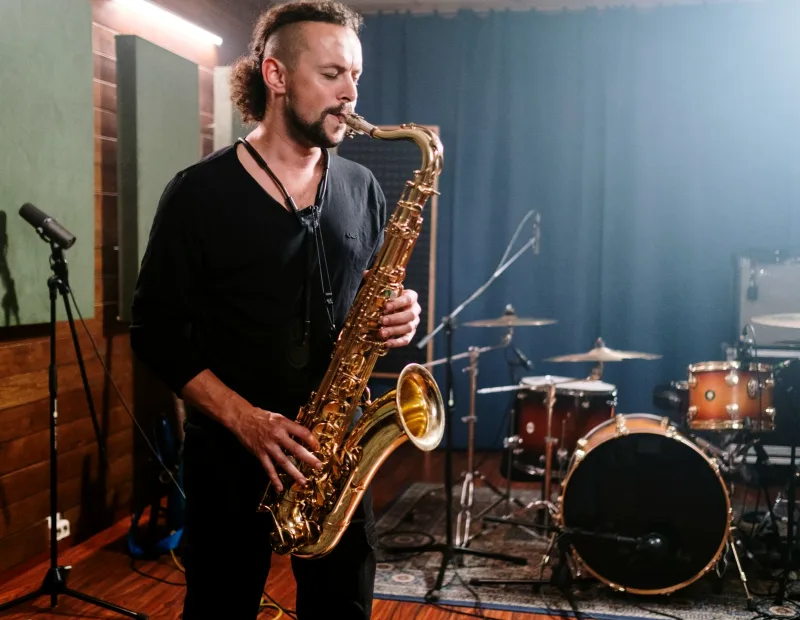
Acoustic panels on studio walls
Rooms are measured first, then treated where reflections and background noise affect speech. Presenters and guests stay clear on air without a dead, boxed-in sound.
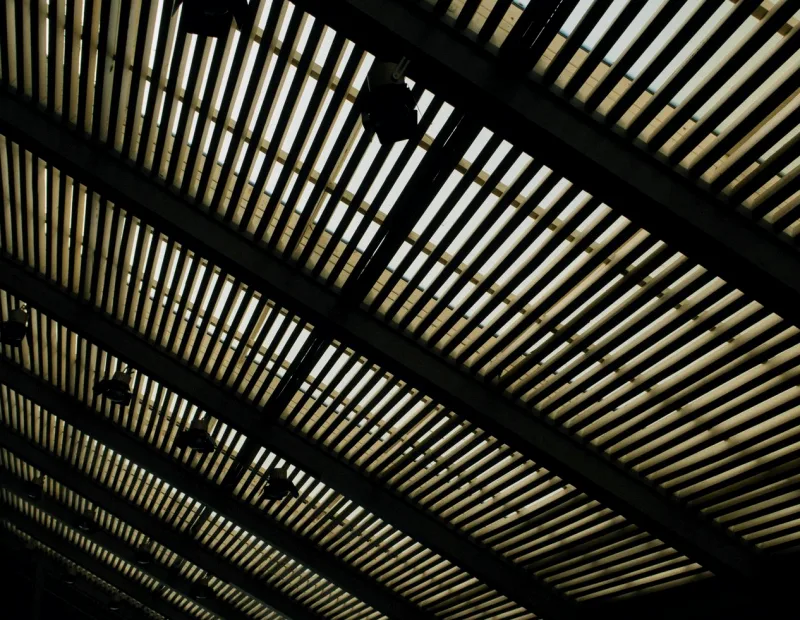
LED lighting on an overhead grid
Lighting plans set fixture positions, grid rigging and dimmer control so faces are lit evenly and the set looks the same from one programme to the next.
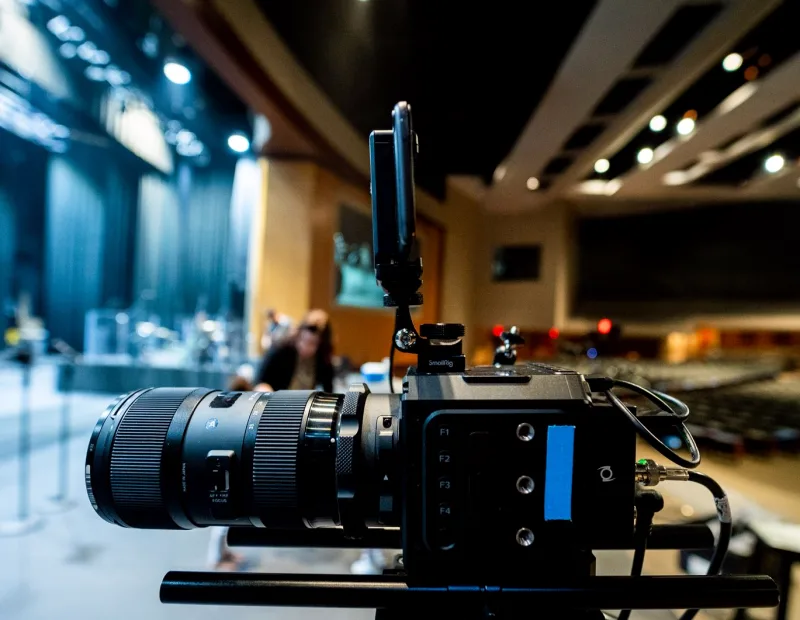
Run sheet review in the gallery
Run sheets, rehearsal schedules and fallback procedures are agreed with the production team, so everyone knows what happens if a link, a camera or a guest drops out.
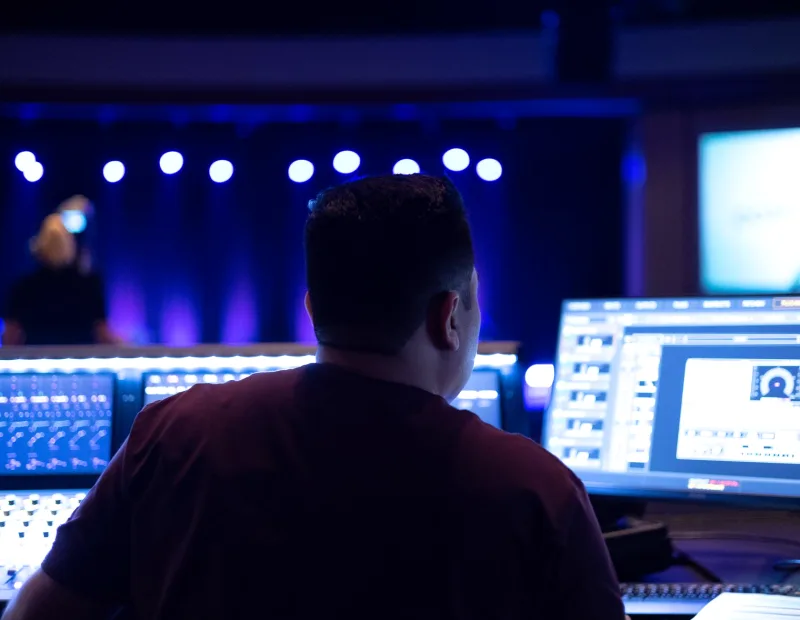
Crew training at the desk
Practical training takes place on the client's own equipment, with in-house operators working through the real routines they will use during a broadcast.
An Exeter team built around live broadcasts
sparkage began in 2014 on Haven Road in Exeter and works with broadcasters, regional news teams and event producers. Four specialists cover system design, cameras and lighting, acoustics and production management. One person stays in contact with you from first enquiry to handover.
- 2014Year founded
- 20+Years of engineering lead
- 4Specialists in the team
What guides our studio work
Reliability
A live show has no second take. We test routing, power and fallback paths before air, and document how each system is meant to behave so your crew can rely on it.
Clarity
Specifications, schedules and quotations are written plainly. You know what is being installed, who is responsible for each step and what a change would involve.
Craft
Tidy cabling, correct labelling and considered camera and lighting positions are part of every job. Small details of finish decide how a studio feels to work in.
Support
We stay available during broadcasts and train in-house crews, so knowledge of the studio does not leave with the installers when the project closes.
Recent writing from the gallery
 · Support
Planning on-site broadcast support so your crew is never left guessing
A practical guide to arranging engineering cover for live programmes: who to have in the building, what to…
 · Acoustics
Before You Commit to Studio Acoustic Treatment: A Checklist
Hannah Whitcombe sets out the questions worth answering before anyone orders acoustic work for a studio room, from…
 · Lighting
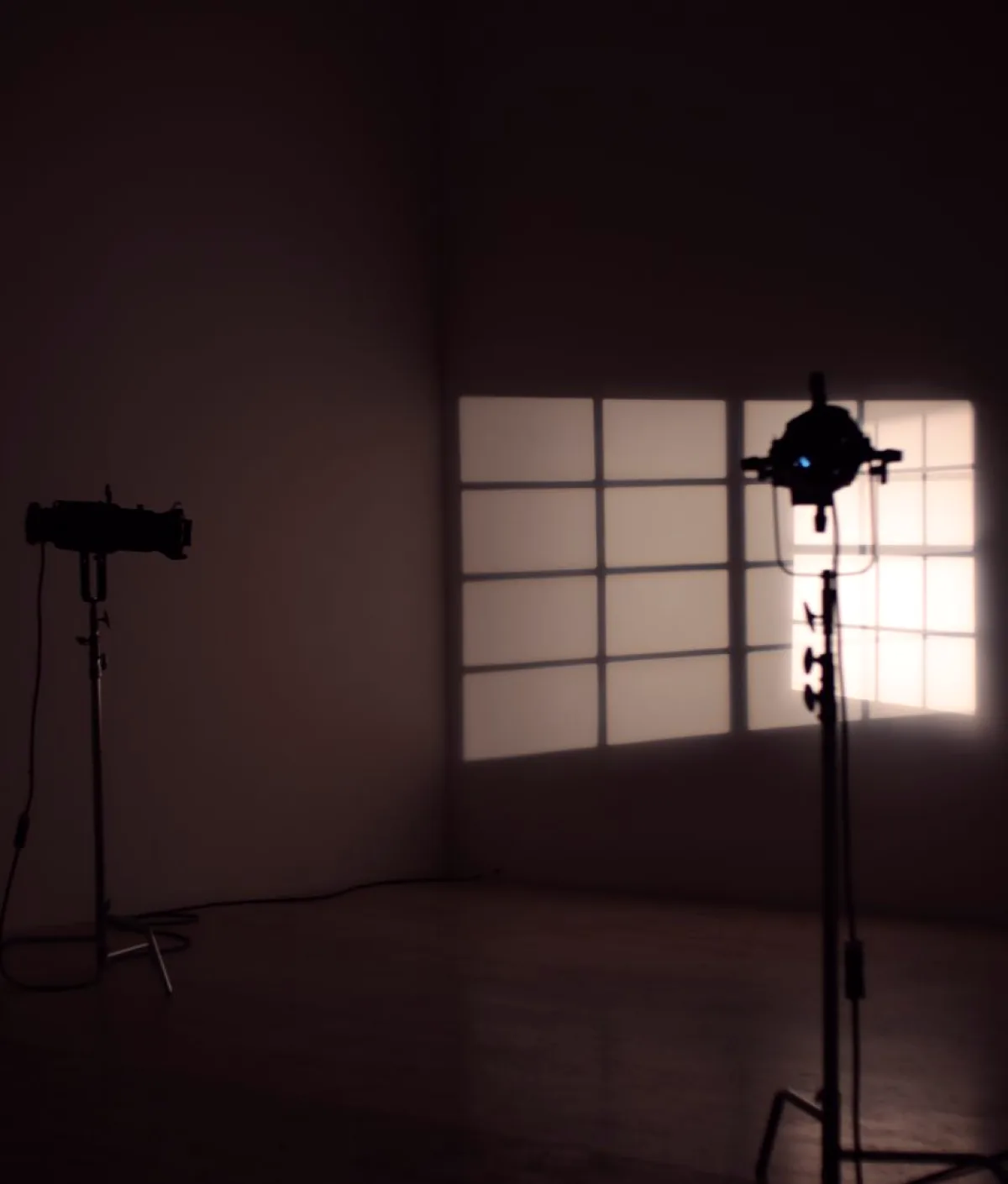
Lighting Mistakes in Live Studios and How to Avoid Them
Most lighting problems on a live set are planned in, not suffered by chance. Here are the errors…
Tell us about the studio you are planning
Send an enquiry through the contact page with a few lines about your programmes and space. We reply in writing and arrange a conversation about scope.
ContactSend an enquiry
Describe the studio, the programmes and any equipment you already own.
Receive a written quotation
We confirm the scope, what it includes and what could change the price.
Agree and begin
Once the quotation is confirmed, work is scheduled and invoiced by bank transfer.