Services
Six areas of live television work, from gallery wiring and cameras to acoustics, lighting, workflow planning and on-site support.
Six services for a working live studio
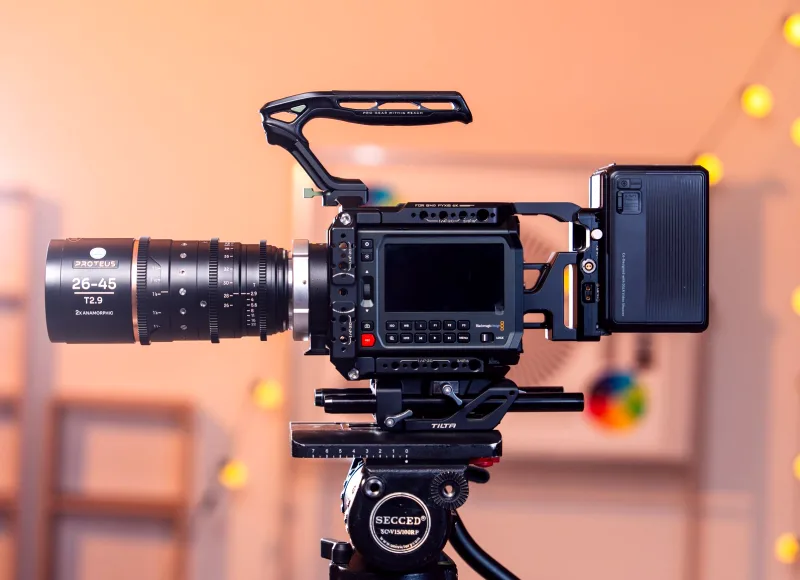
Studio Equipment Integration
We specify, wire and test vision mixers, routing, monitoring and intercom so the gallery behaves as a single system. Every signal path is labelled and checked before the first rehearsal.
Contact →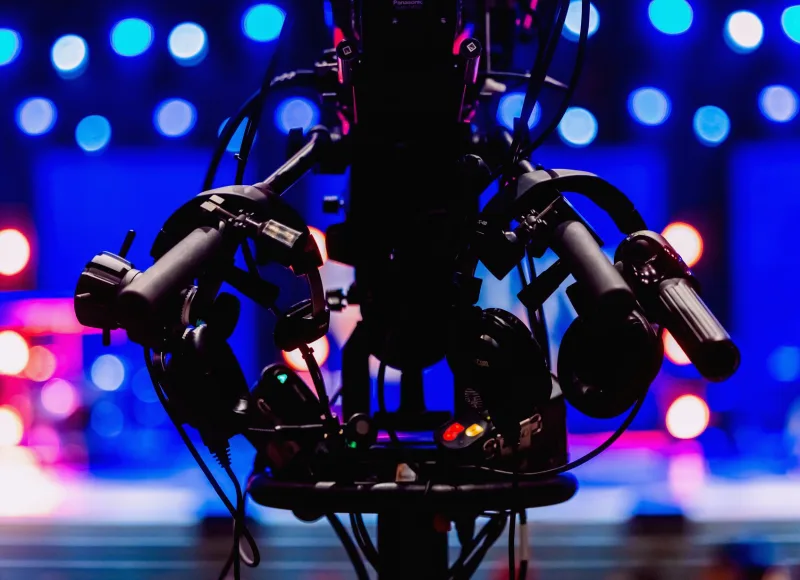
Camera Systems and Operation
We help you choose cameras and set up pedestal or robotic positions, then guide operators towards steady, dynamic live shots. Framing and movement are agreed against the programme format.
Contact →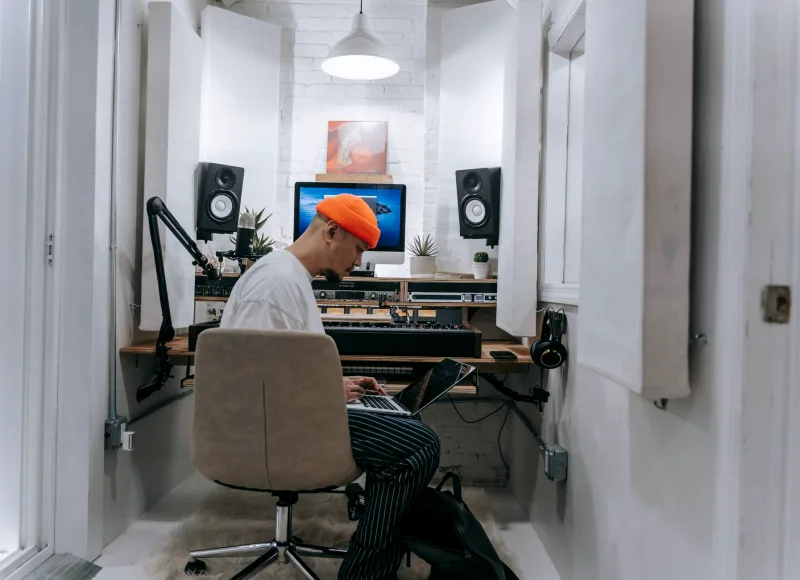
Studio Acoustic Treatment
We measure the room, find where reflections and background noise are hurting speech, and treat it so presenters and guests sound clear on air without making the space feel dead.
Contact →
Lighting Design and Rigging
We plan LED lighting, rig fixtures on the grid and set up dimmer control so presenters are lit evenly. The look stays consistent from one programme to the next.
Contact →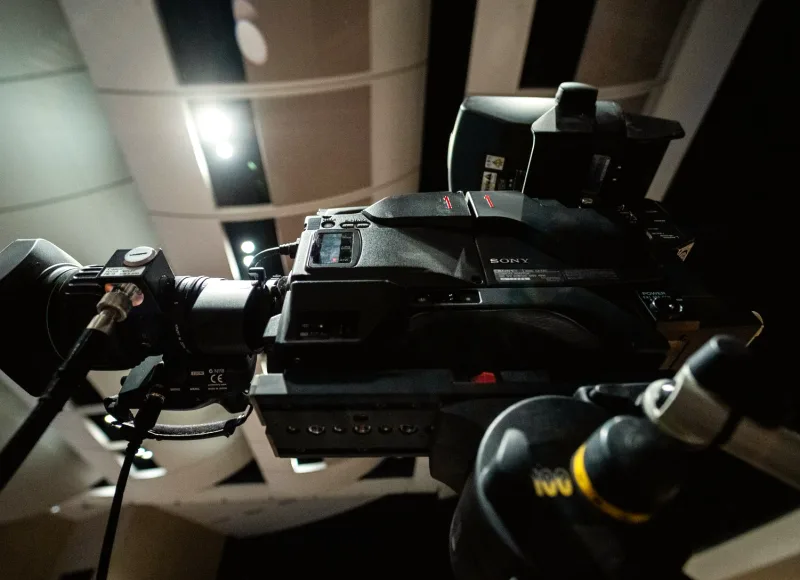
Live Show Workflow Planning
We write run sheets, plan rehearsal schedules and agree fallback procedures for news, interview and live entertainment broadcasts, so everyone knows their cue and what to do when something fails.
Contact →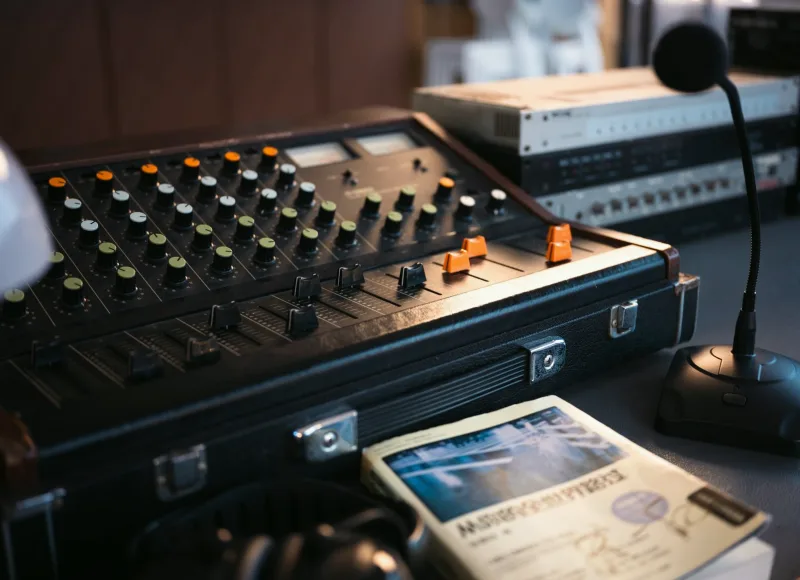
Technical Support and Training
We attend your broadcasts to support the technical side live, and run practical training sessions for in-house crews on the equipment they use every day.
Contact →
Studio Equipment Integration, step by step
This service suits broadcasters, regional news teams and event producers building a new gallery or upgrading an existing one. We treat the equipment as one system, so each part is chosen, connected and tested with the rest in mind.
Contact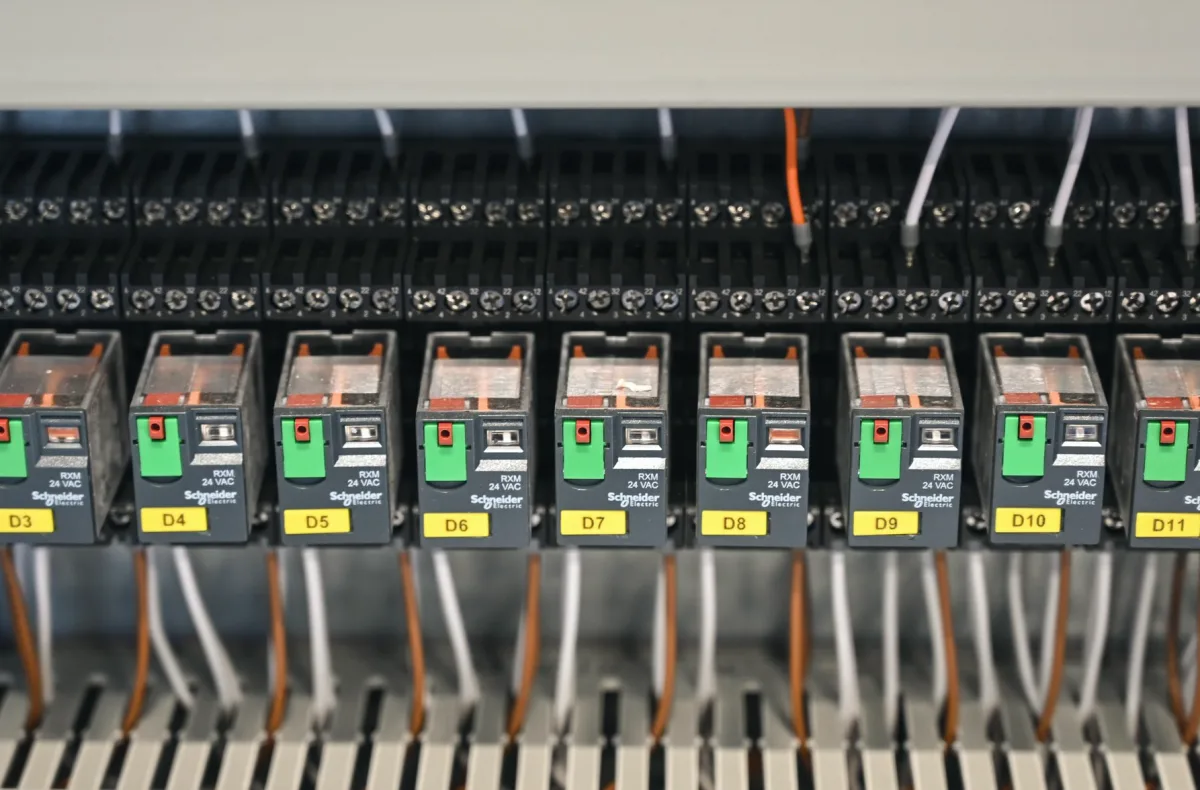
- Specification and signal design
- We list what the programme needs, then draw how video, audio, tally and control signals travel through the gallery. You receive a plan you can review before any equipment is bought or moved.
- Vision mixer and routing
- We configure the vision mixer and routing so common show layouts can be recalled quickly. Sources, outputs and monitoring are named consistently, which helps operators who work across several programmes.
- Monitoring and intercom
- Multiviewers, preview screens and talkback are arranged so the director, vision mixer and floor team each see and hear what they need without crowding one another's channels.
- Wiring and testing
- Cabling is run, dressed and labelled, then every path is tested end to end. Faults are traced and fixed during commissioning, not discovered on the day of the first live show.
Bring floor plans, a list of existing equipment and a description of your typical programme. Rough notes are enough to begin a conversation.
How we work
From first conversation to a studio that runs
Each project follows the same order, whether it is a single interview room or a full news studio. Hannah coordinates the schedule and keeps you informed throughout. Oliver leads the system design, and the specialists join where their area applies. We do not promise fixed timings before we have seen the space.
Enquiry and brief
You tell us what the studio is for, who will use it and what already exists. We ask about programme formats, crew size and the room itself, so we understand the real conditions before suggesting anything.
What you leave with
A shared written summary of what the studio must do
Site visit and measurement
We visit the space to look at power, rigging points, sound and sightlines. Callum measures the room acoustically where speech quality matters, and Priya notes where cameras and lights can sit.
What you leave with
Notes and measurements that describe the room as it is
Design and written quotation
We draw up the equipment, lighting and acoustic plan with the workflow in mind, and send a written quotation. You can question any line of it and we revise the plan before anything goes ahead.
What you leave with
A design and a written quotation to approve
Installation and rehearsal
We install, wire and test, then run rehearsals with your crew using real run sheets. Problems found in rehearsal are fixed while the team is still on site and fresh.
What you leave with
A tested studio and a rehearsed running order
Handover and support
We hand over documentation and train your crew on the equipment. We can attend your first broadcasts to support them live, and remain available for questions afterwards.
What you leave with
Documentation, trained operators and a named contact

Tell us about the studio you are planning
Send a short description through the contact page. Hannah will reply to ask a few questions and arrange a visit or a call, and a written quotation follows.
Contact