The people who plan and build your studio
Four specialists cover system design, lighting and cameras, acoustics and production management, so one small team looks after a project from enquiry to handover.
Meet the people behind the studio
Each of us leads one part of a project, and we work together on site. You will always know who is responsible for what, and who to call when you have a question.
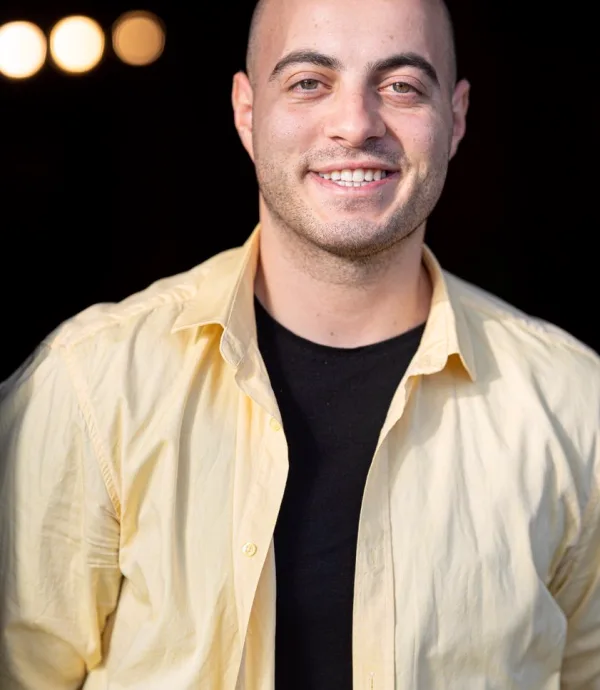
Oliver Hartley
Founder and Technical DirectorOliver has worked in live television engineering for over twenty years and leads system design on every project.
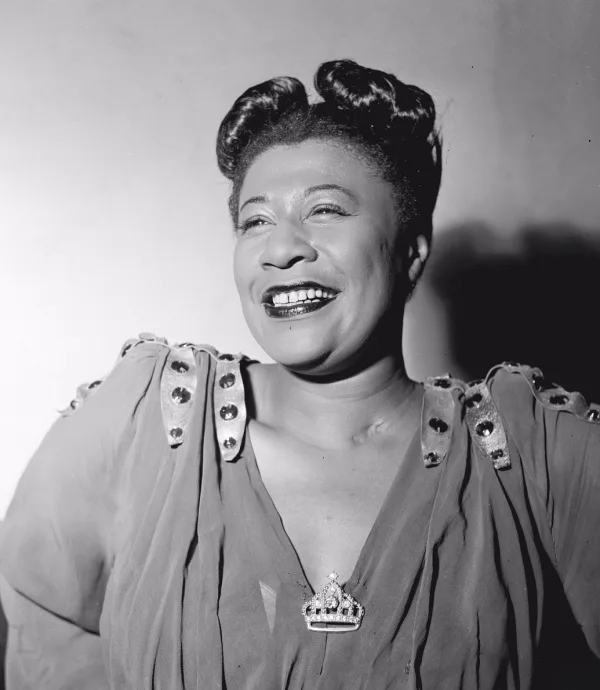
Priya Nair
Lighting and Camera LeadPriya plans lighting and camera positions for news sets and interview studios, and trains operators on site.
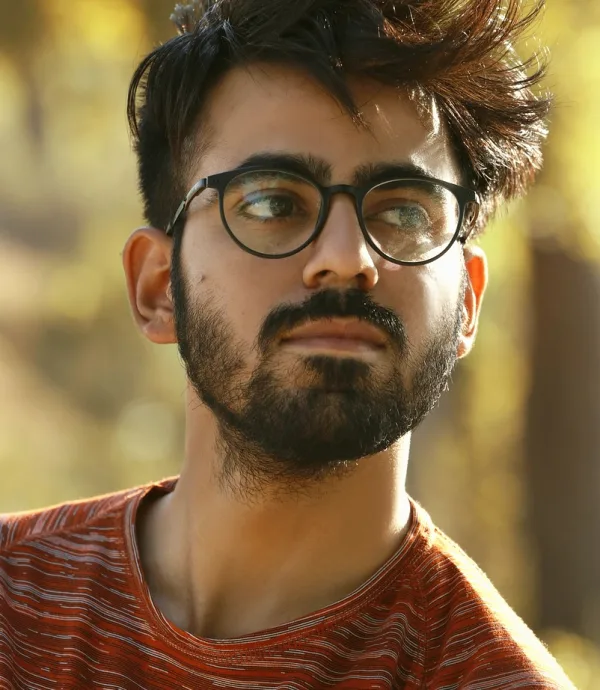
Callum Reid
Acoustics EngineerCallum measures and treats studio rooms so speech stays clean and consistent on air.
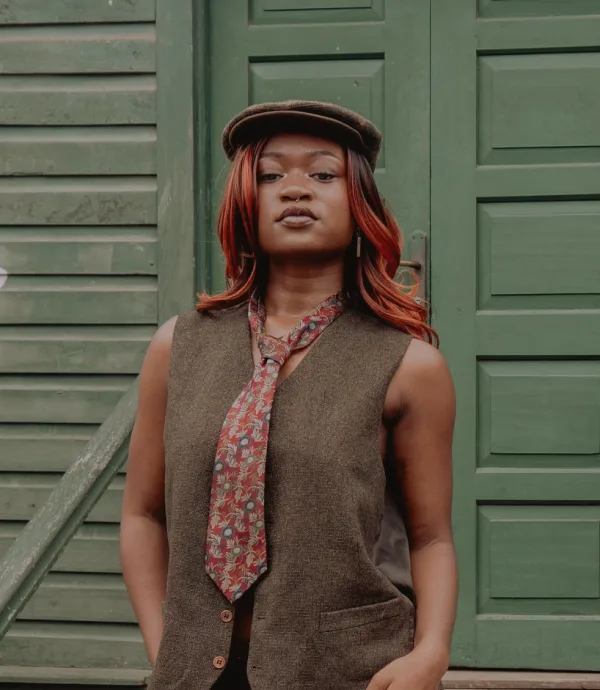
Hannah Whitcombe
Production ManagerHannah coordinates schedules, rehearsals and client communication from first enquiry to handover.
Write to us through the contact page about equipment, cameras, acoustics, lighting, workflow or training. We will answer with questions and, where it helps, arrange a visit.
Describe your studio and we will find the right person to reply
ContactWhy a small team suits live television
Live broadcasting leaves little room for confusion between the people who design a studio and those who install it. Keeping the team small means decisions are made by the people who will stand in the room.
One thread of responsibility
Oliver leads system design on every project, and Hannah keeps the schedule and your communication in one place. You are not passed between departments or asked to repeat your brief. When something changes on site, the person who made the original decision is usually the person fixing it. That keeps small problems from growing and keeps the plan coherent from first drawing to final handover.
Specialists where it matters
Priya plans lighting and camera positions and trains operators. Callum measures rooms and designs the acoustic treatment. Their areas often meet in practice, since a light fitting can add noise and a camera position changes where a microphone can sit. Because they work in the same team, these overlaps are settled early and discussed openly, not discovered when the studio is already built.
Training that stays behind
We want your own crew to run the studio comfortably when we have left. Training happens on your equipment, with your run sheets and your usual programme formats. We show routine tasks first, then the faults most likely to occur live, and we leave written notes. Support during broadcasts is available as well if your team prefers to have someone beside them at first.