Absorb or diffuse: choosing the right treatment for a live studio
A comparison of absorption-led and diffusion-led treatment for news and interview studios, with a recommendation based on room size, camera layout and how much the presenters move.
6 min read
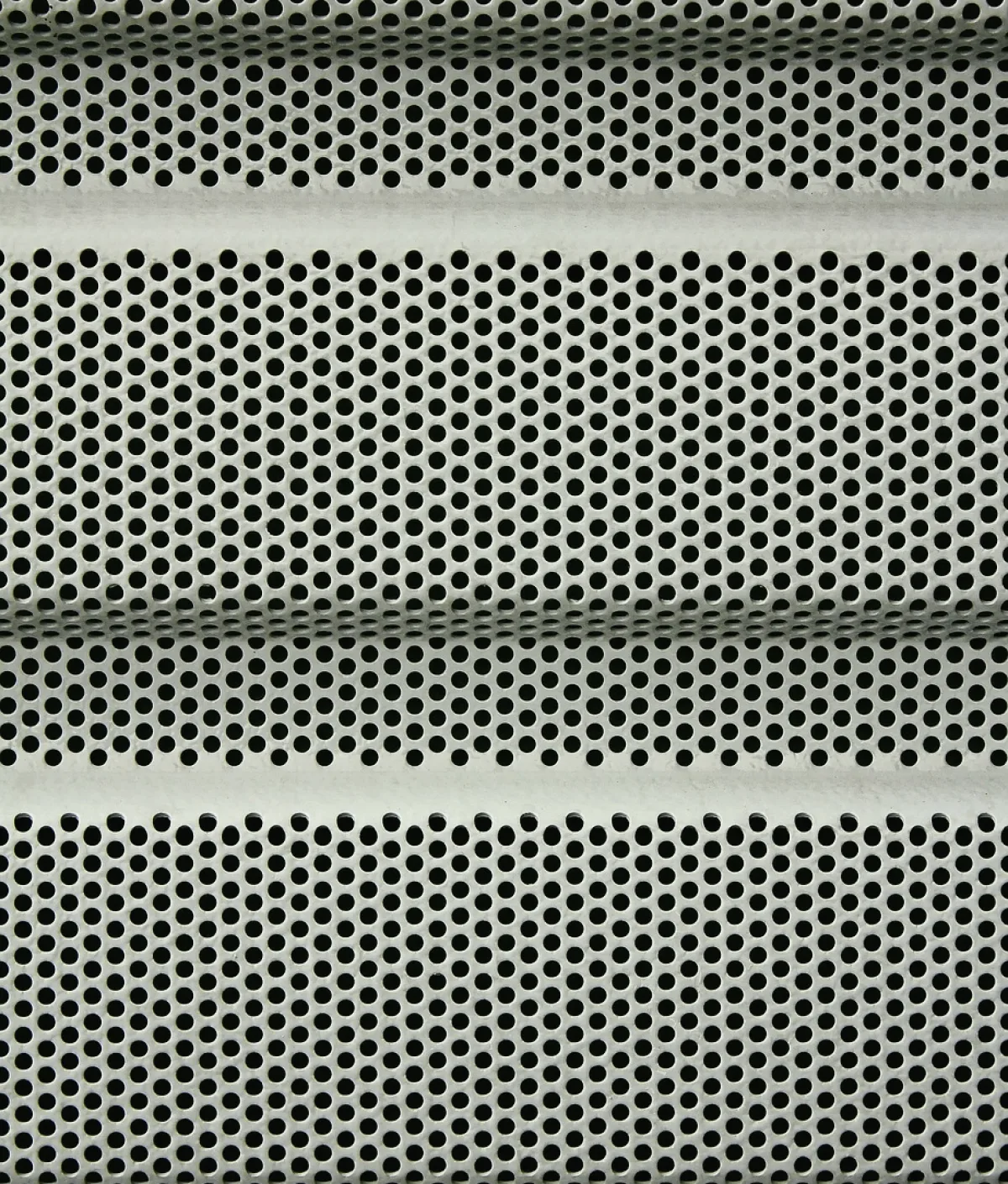
Two ways to calm a room
When a studio sounds wrong on air, the first conversation is nearly always about foam or panels. Underneath it sits a real choice between two approaches. The first is absorption: soft, porous material that turns sound energy into a very small amount of heat so reflections die quickly. The second is diffusion: shaped surfaces that scatter reflections in many directions, so the room keeps its energy but loses the hard, flutter-prone echoes.
Both are used in professional rooms and neither is a fashion. The question for a live studio is which one does more of the work, because a news desk, a standing interview set and a small talk-show floor ask different things of the space. This note compares the two as we meet them when treating rooms and gives a recommendation at the end.
We start every treatment job with measurement. Callum, our acoustics engineer, records the room's decay across the speech range before anyone talks about materials, so the comparison below is something we check against numbers rather than taste.
What absorption does well
Absorption is the dependable option. Mineral wool or dense foam panels, placed at first-reflection points and behind the cameras, shorten the decay time and make speech more intelligible quickly. In a studio where presenters are miked at a desk, this is usually where the greatest improvement comes from, and it is easy to predict from the measurements before anything is fitted.
The weakness is overdoing it. A room treated with absorption alone can turn dead and close, and presenters often feel it: they push their voices, sound tired, and the set feels airless. Thin panels also do very little at low frequencies, so a boomy corner stays boomy while the high end becomes dull. Absorption needs to be matched to the room rather than applied by the square metre.
There is a practical benefit for live work too. Absorbent panels are light, easy to move and simple to re-hang when a set is rebuilt, which matters in a studio that changes between programmes.
- Quick, predictable gain in speech clarity
- Light panels that are simple to relocate
- Thin panels barely touch low-frequency boom
- Too much leaves the room dead and tiring to speak in
What diffusion does well
Diffusers scatter reflections instead of swallowing them. Wooden or moulded surfaces with varied depths break up a parallel wall pair, so the ear no longer hears a distinct echo while the room keeps a natural liveliness. For a studio with a large set, a presenter walking between positions, or a guest sitting some distance from the microphone, that liveliness helps the voices sound like people in a real space.
The cost is that diffusion does little for decay time on its own, and it takes more room depth to work properly. A small studio rarely has a metre of spare space behind the set walls. Diffusers are also heavier, more expensive and harder to alter later, so they suit rooms where the layout is settled.
They also earn their place behind the camera line, where a flat wall would otherwise throw a clean reflection straight back at the presenter.
How room size and layout decide
Size does most of the deciding. In a small interview studio, where walls sit close, reflections arrive fast and absorption has to lead, with only modest diffusion added on the rear wall. In a larger floor, with a ceiling grid and several set areas, there is room for diffusion to do real work and keep the space from sounding clinical.
Layout matters as much. A single fixed desk with two presenters is a controlled source and responds well to treatment aimed at that spot. A set where hosts stand, walk and gather around a table moves sound sources through the room, and a mix of both treatments copes better than either alone.
Lighting and cameras limit what can be hung where, so Priya and Callum agree positions together before anything is ordered, and treatment is planned around the grid rather than squeezed in afterwards.
Our recommendation
For most news and interview studios we work in, we recommend an absorption-led scheme with targeted diffusion. Treat the first-reflection points, the wall behind the cameras and the ceiling above the desk with absorption sized to the measured decay, then add diffusers on the rear wall or the largest parallel surface to keep some life in the room.
Where the room is very small, skip the diffusers and spend the budget on thicker absorption and a bass trap in the worst corner. Where the room is large and the set moves, shift the balance towards diffusion, and check the result with a second measurement once the panels are up.
Whichever route is taken, measure afterwards. A treatment that looks right and has not been checked is a guess, and presenters will tell you quickly if the room still feels wrong.
- Small room: absorption first, thicker panels, corner traps
- Medium room: absorption-led with diffusion on the rear wall
- Large moving set: more diffusion, absorption at the desk
Before you commit
Before choosing, gather what is already known about the room: its dimensions, the wall and ceiling finishes, where the desk and cameras sit, and any complaints from presenters or the sound crew. A short recording of someone speaking in the empty room is useful too, because it shows the echo before treatment.
Be wary of any scheme that is specified without measurement, and equally of one that treats every surface. Spend where the measurements show a problem, leave the rest alone, and keep a few panels spare so the set can change without the sound changing with it.
If the studio is still being designed, bring the acoustic plan into the conversation early. Wall construction, ceiling height and ventilation noise are far cheaper to settle on paper than to fix once the set is built.
Absorption and diffusion are not rivals so much as two tools with different jobs. Absorption brings clarity quickly and suits small or fixed sets; diffusion preserves a natural sound and suits larger, busier floors. Our usual advice is to lead with absorption, add diffusion where the room allows, and measure before and after. A studio that sounds right to the presenters and checks out on the meter has been treated well.
Hannah Whitcombe
Production ManagerHannah coordinates schedules, rehearsals and client communication from first enquiry to handover.